“Simplify, then add lightness.”
Rush SR
Pro speed. Affordable seat time. Finally.
The Real Cost of Racing
We got tired of watching friends blow their budgets on cars they couldn’t afford to run. So we built something different.
3-Year Total Cost of Ownership
| Used Prototype | GT Car | Rush SR | |
|---|---|---|---|
| Up-front cost | $45–130k | $80–150k | $49k–59k |
| Annual running costs | $30–100k | $60–200k | $10–14k |
| Typical crash repair | $15–80k | $10–50k | $3–5k |
| 3-Year Total (excluding car resale) | $150k-500k+ | $270k-800k+ | $79k–101k |
*Running costs include tires, brakes, rebuilds, consumables, transport, entry fees, and one minor incident repair per year. The “Typical crash repair” row shows a typical incident cost for comparison — it is already embedded in the $10–14k annual figure, not added separately to the 3-year total.

Drive Like a Pro
We race these cars ourselves. That’s why they feel like weapons, not appliances.
Paddle-Shift Racing
Six-speed pneumatic sequential with no-lift upshifts and auto-blip downshifts. Left paddle down, right paddle up. The clutch is only for standing starts.
150 HP at 11,800 RPM
The Suzuki GSX-S 1000cc engine screams to nearly 12,000 RPM. At 1,120 lbs, that’s 0-60 in 3.3 seconds and 150+ mph.
No Driver Aids
No traction control. No ABS. RWD. Like a real race car should be—just raw skill and mechanical grip. You’re in control, not a computer.
Real Driving, Not Aero Dependency
Unlike downforce-dependent prototypes, the Rush SR rewards driver skill. Trail-brake, rotate, get sideways on exit. Every driving style is fast.
Pure Mechanical Connection
Manual rack-and-pinion steering with no power assist. Quick-release wheel. Every input transfers directly to the wheels—you feel everything.
Center Seating
Sit on the racing line. The central driving position—same layout as F1 and McLaren supercars—gives you perfect visibility through apex and exit.

Technical Specifications
Purpose-built for competitive racing. Every spec optimized for performance, reliability, and value.
Powertrain
| Engine | 1000cc inline-4 |
|---|---|
| Power | 149 WHP |
| Redline | 11,800 RPM |
| Transmission | 6-speed pneumatic sequential |
| Differential | Adjustable LSD |
Chassis & Brakes
| Frame | 4130 chromoly space frame |
|---|---|
| Brakes | 4-piston front & rear |
| Rotors | 274mm floating discs |
| Tires | Nankang AR-1 185/60R13 F / 205/60R13 R |
Dimensions
| Weight | 1,120 lbs (508 kg) |
|---|---|
| Length | 130.9″ (3325mm) |
| Width | 59″ (1500mm) |
| Height | 38.9″ (990mm) |
| Wheelbase | 75″ (1900mm) |
Fuel & Safety
| Fuel Capacity | 6-Gallon Kevlar cell |
|---|---|
| Roll Structure | Dual 1¾” Ducol R8 rollbar |
| Crash Structure | Front & rear crumple zones |
| Sanctioned | NASA, SCCA, SVRA, XSR |
Where to Race
A race car is only as good as the racing it gets you into. The Rush SR opens doors.
Rush Spec Series
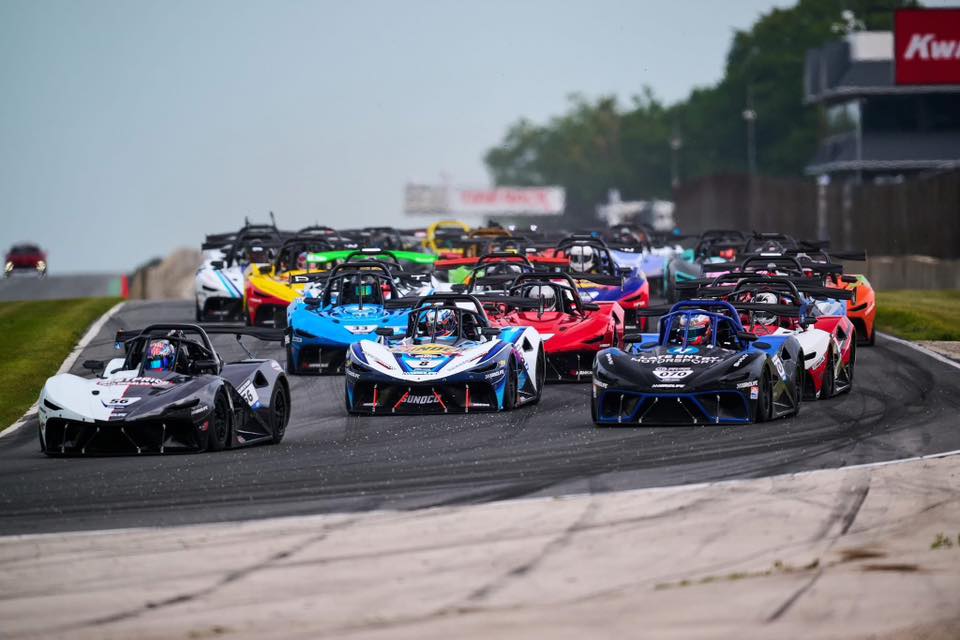
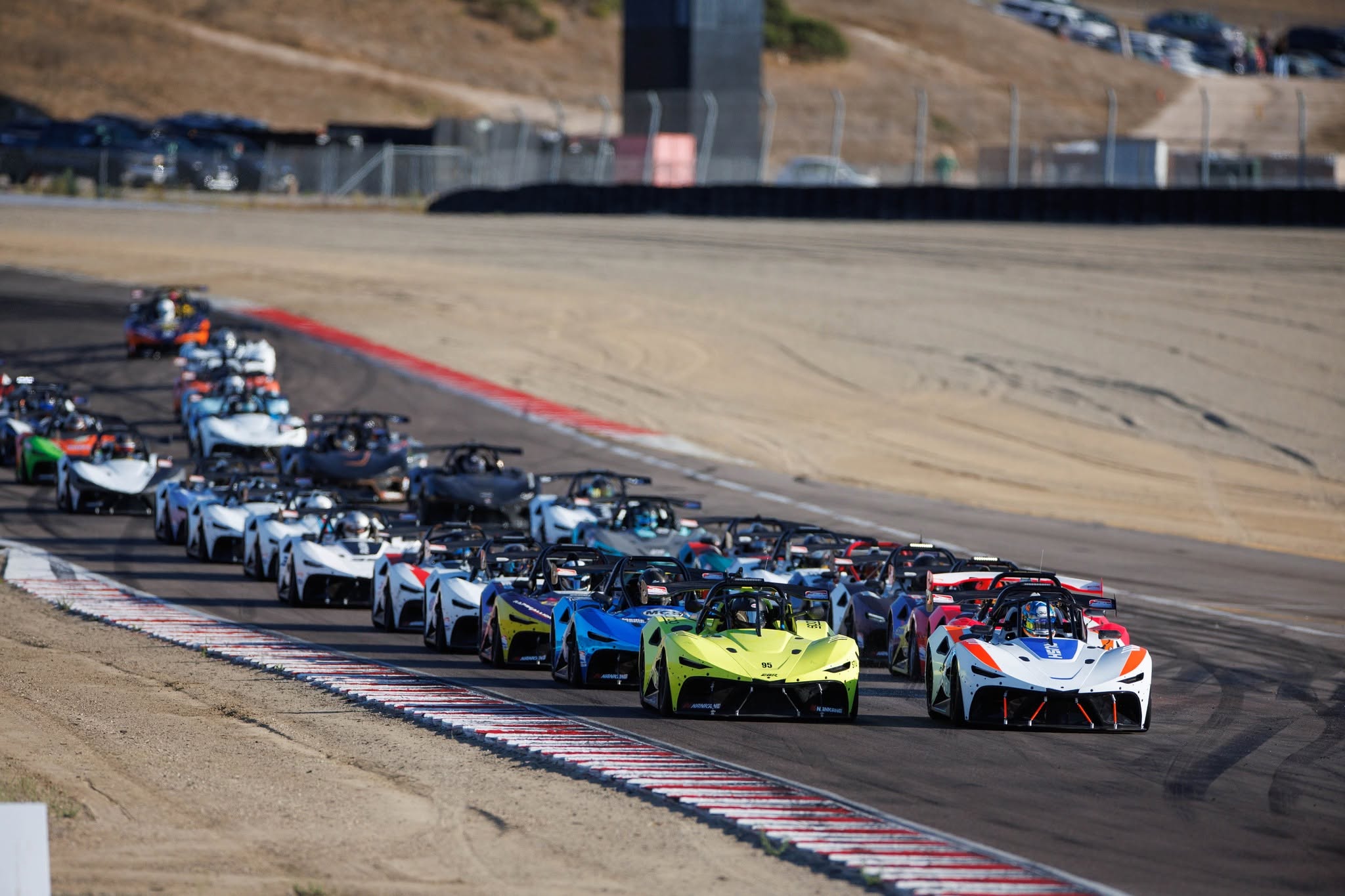
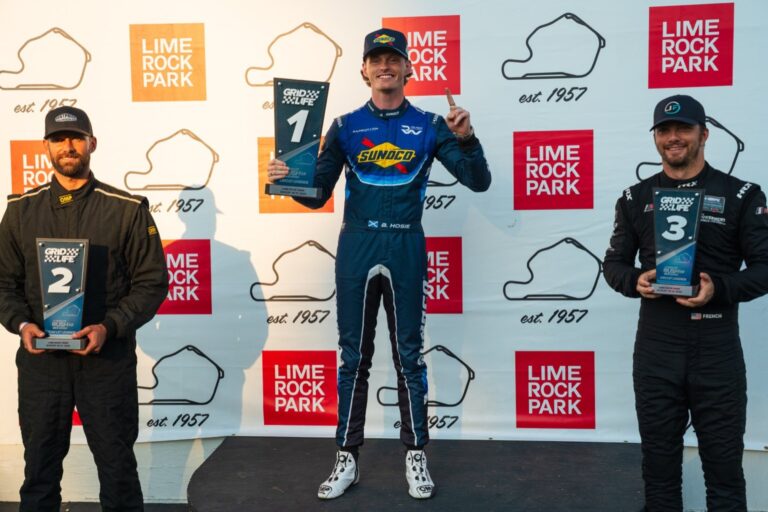
Our dedicated spec series runs with GridLife at tracks across the country. Same car, same rules—the racing is close and the competition is real.

Sanctioned Everywhere
The Rush SR is legal in NASA, SCCA, SVRA, XSR, and more. Show up to nearly any racing organization and you’ve got a place on grid.
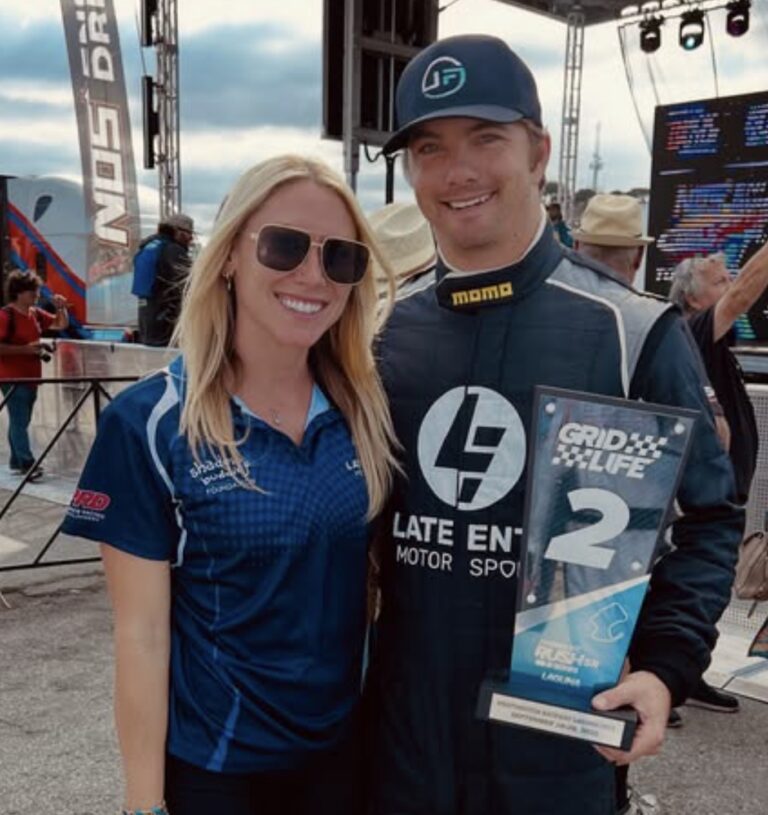
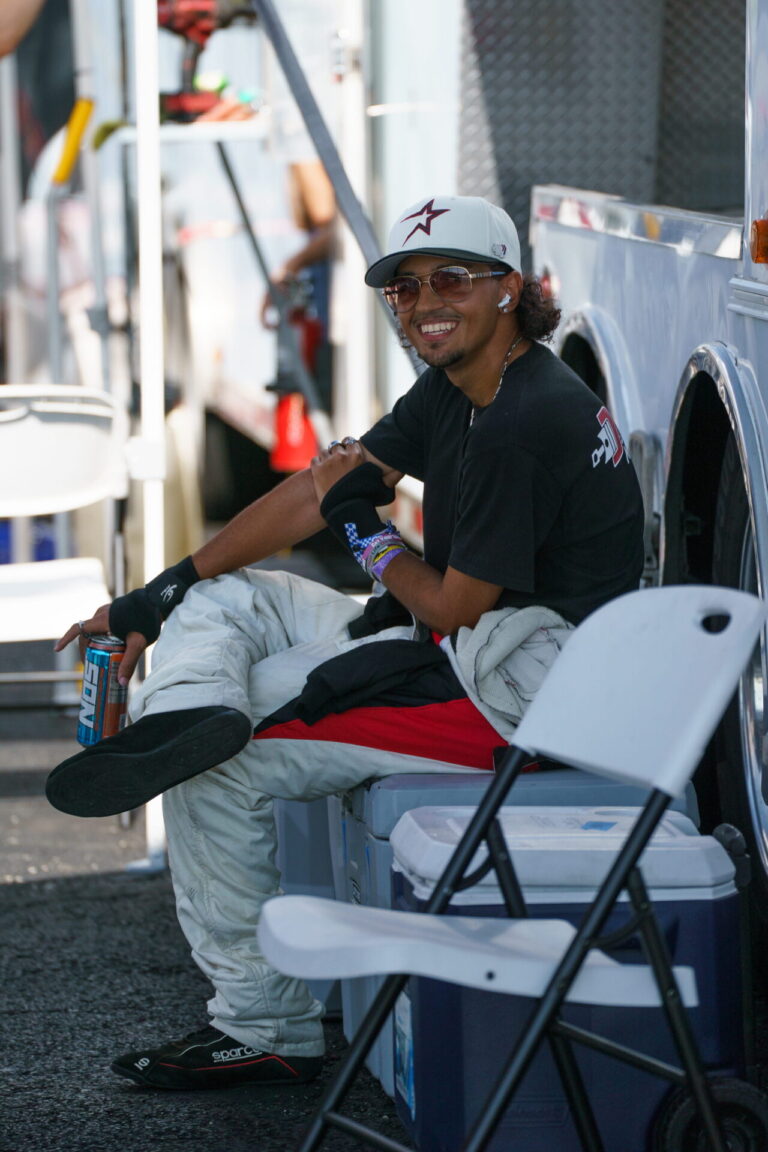
Meet the Grid
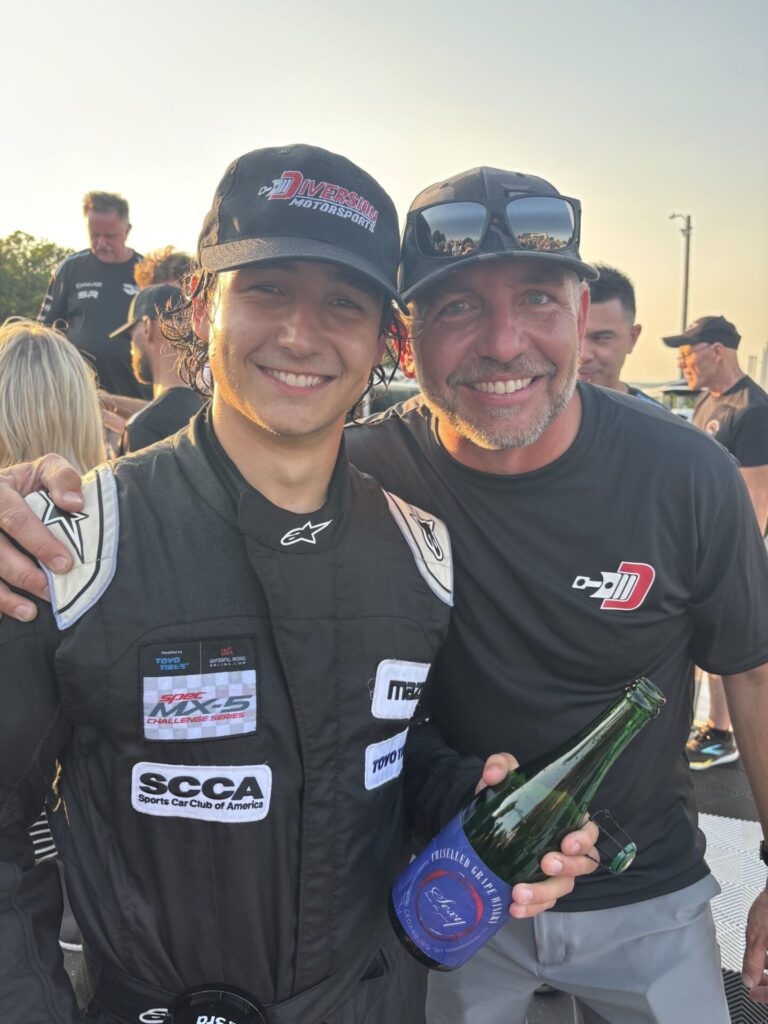
Real drivers. Real stories. This is who you'll be racing with.



Wrench on It Yourself
We designed this car for a two-car garage and a basic tool set. Because that’s what we had when we started.
Home Garage Friendly
No lift required. No specialized tools. Change your own brakes, swap your own bodywork, do your own setup—and get back to the track.
Quick-Release Everything
Front and rear clips pop off in minutes with Aerocatch latches. Full engine and suspension access without fighting fasteners.
Parts When You Need Them
All parts ship domestically – order Monday, install Friday. Compare that to waiting six weeks for a container from Europe.
OEM Parts Availability
Suzuki engine means real parts availability—not unobtanium from a defunct manufacturer. Gaskets, bearings, seals: on the shelf, priced for motorcycles.
Running Costs Breakdown
Here’s what you’re actually paying per hour of seat time:
| Item | Cost | Interval | $/Hour |
|---|---|---|---|
| Fuel (93 octane) | ~$24 | per hour | $24.00 |
| Tires (set of 4) | $896 | 15 hours | $59.73 |
| Engine rebuild | $3,500 | 160 hours | $21.88 |
| Brake pads (set) | $550 | 20-80 hours | $6.88–$27.50 |
| Brake rotors | $540 | 100 hours | $5.40 |
| Oil change | $40 | 6-8 hours | $5.00 |
| Chain & sprockets | $250 | 50 hours | $5.00 |
| Gearbox rebuild | $750 | 160 hours | $4.69 |
| Suspension bushings | $400 | 100 hours | $4.00 |
| Chain wax | $14 | 20 hours | $0.70 |
| Total per hour | ~$150 | ||
Compare to Spec Miata ($297/hr), SRF3 ($370/hr), or GT4 ($665/hr). Your costs may vary based on driving style. See the full running cost breakdown →
Built to Protect
We race these cars hard. So we built them to keep us safe when things go wrong.
Exceeds Requirements
Full chromoly roll cage exceeds NASA and SCCA safety requirements. Side intrusion bars, diagonal bracing, and proper triangulation throughout.
Trident Rollbar
For the ultimate in cockpit protection, the optional Trident rollbar adds a triple-bar structure around the driver. Purpose-built for open-cockpit racing.
Real Crash Structures
Front and rear crumple zones absorb impact energy before it reaches you. The chassis deforms in the right places while keeping the survival cell intact.
Sanctioning Approved
Legal in NASA, SCCA, SVRA, and more—meeting or exceeding their safety requirements.
Modern Safety Equipment
- FIA-approved fuel cell with bladder and foam
- 6-point harness mounting points properly positioned
- HANS-compatible seat and harness geometry
- Fire suppression system available
- Quick-release steering wheel for rapid egress
- Deep sidepod nerf bars with anti-intrusion panels
Join the Grid
Real racers. Real competition. Your future teammates.
Do Your Research
Not ready to configure yet? We’ve written the honest comparisons and cost breakdowns so you can decide with real numbers.
Rush SR vs FF1600
Head-to-head on cost per lap, grid size, crash repair costs, and modern tech. The numbers favor the Rush SR by a wide margin.
Rush SR vs FC Spec
FC Spec is out of production with a shrinking parts supply. Here’s what that means for your long-term ownership costs.
Full Running Cost Breakdown
Every line item — tires, brakes, engine, entry fees — with per-event and per-season totals. $150/hr explained in full.
Affordable Spec Racing
What “affordable” actually means when you factor in 3-year total cost of ownership. Why the cheapest car often isn’t.
New to Spec Racing?
Everything you need to go from HPDE to your first race — licensing, safety gear, transport, and a realistic first-season budget.
Is the Rush SR Worth It?
An honest review with real lap time data vs SCCA competitors. What critics get wrong about the Rush SR — and what the numbers actually show.
Best Spec Car to Buy in 2026
Rush SR vs Spec Miata vs SRF3 vs Formula Ford vs B-Spec — full comparison on purchase price, running costs, grid size, and 3-year total cost of ownership.
Spec Series Comparison
How to choose between GridLife, SCCA, and NASA series. Grid sizes, costs, licensing requirements, and which series fits your goals for 2026.
Ready to Get Started?
Configure your Rush SR or talk to us about your racing goals.